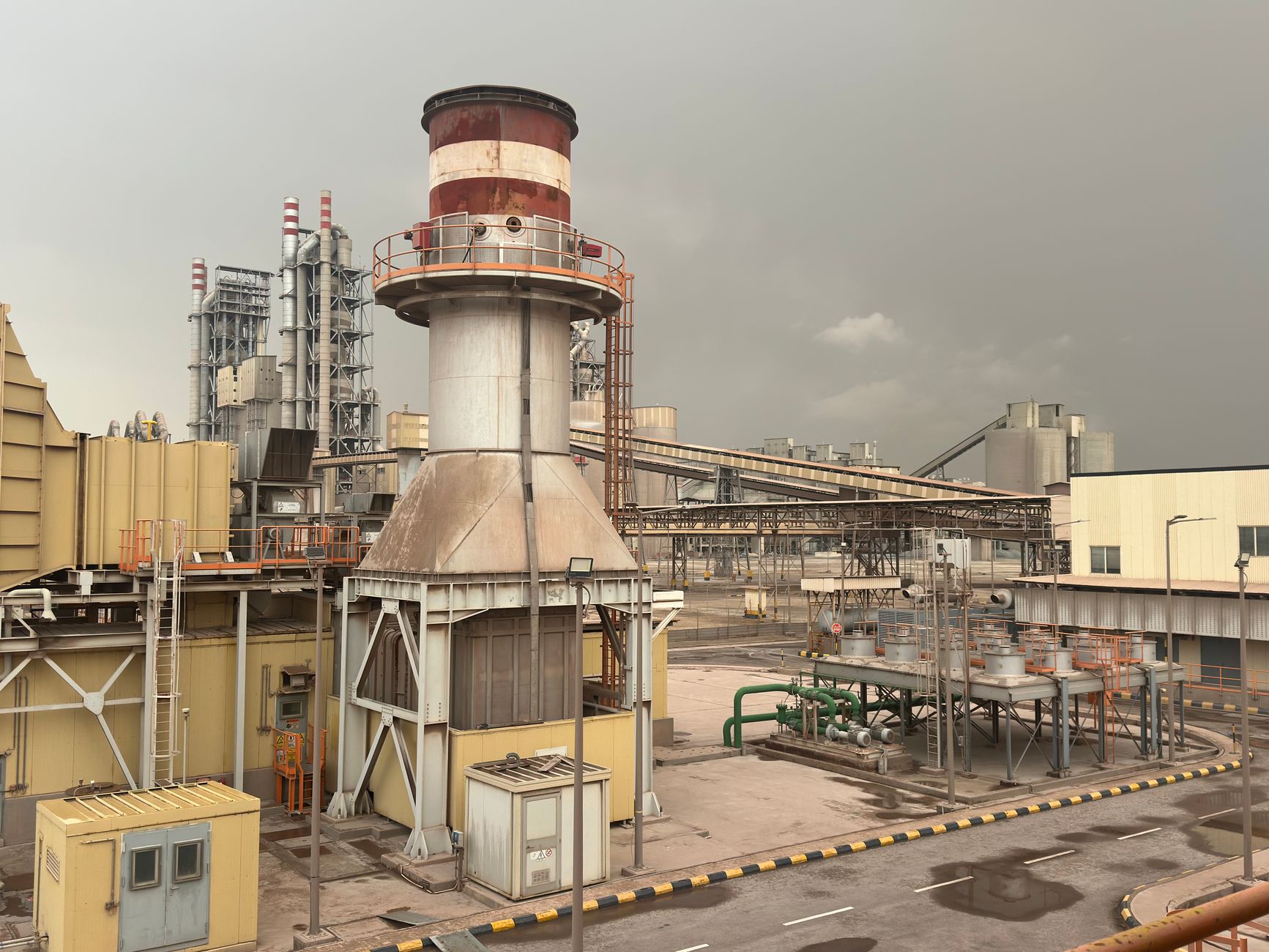
Markets are weighing the risk of fresh attacks by the Iran-backed Houthi movement in Yemen against Saudi energy infrastructure, a threat that has historically sent crude prices spiking given the kingdom's outsized role in global output. That geopolitical risk premium is proving stronger than the bearish pull from rising Middle East crude supply, which would normally weigh on prices.
The tension adds a new layer of uncertainty to an oil market already on edge over broader security risks tied to the Strait of Hormuz, the narrow waterway through which a large share of the world's seaborne crude passes. Any disruption near Saudi production or export facilities tends to ripple quickly through energy markets given how much global supply depends on uninterrupted Saudi output.
Energy price swings matter well beyond trading desks. Crude costs feed directly into gasoline prices, airline fuel costs, and the broader inflation picture that the Federal Reserve watches closely when setting interest rate policy. A sustained rise in oil driven by Middle East instability could complicate the inflation outlook just as investors look for the Fed's next move.
For now, equity markets are shrugging off the energy headlines. The S&P 500 climbed 0.58% to 7,818.93, within striking distance of its 52-week high of 7,844.52. The Dow Jones Industrial Average rose 0.49% to 51,521.28, while the Nasdaq Composite added 0.45% to 27,599.89, also near its own 52-week peak. All three indexes remain far above their 52-week lows, underscoring a market that has shown resilience even as geopolitical risks simmer in the background.
Investors will be watching closely for any escalation in the Yemen conflict or signs of actual damage to Saudi oil facilities, either of which could force energy markets — and eventually broader risk assets — to reprice quickly. Until then, traders appear content to treat the threat as a tail risk rather than a near-term shock, keeping stock benchmarks near record territory while oil absorbs the bulk of the anxiety.