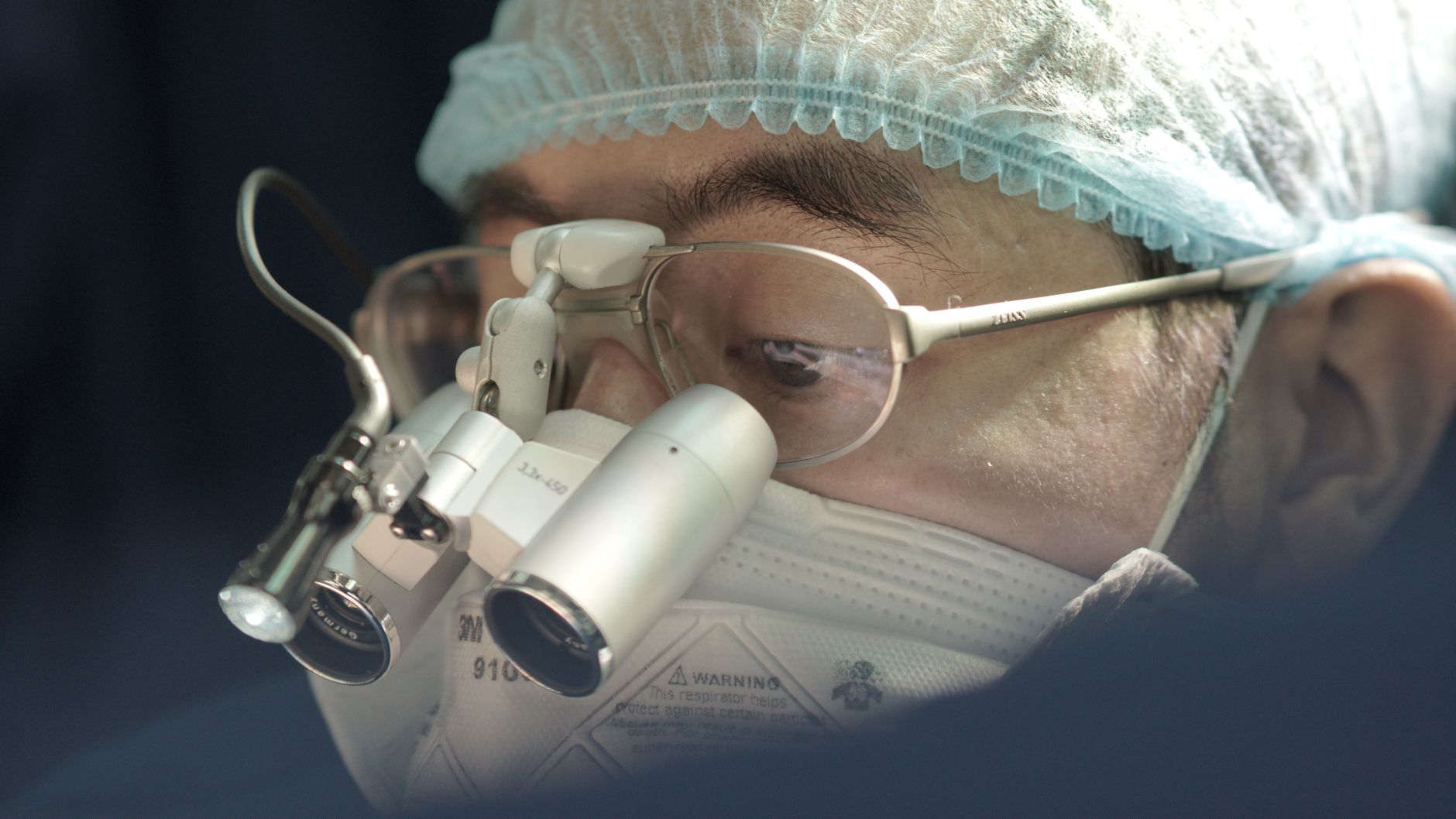
Science Corporation announced that it has implanted its PRIMA chip into a patient suffering from Stargardt disease, a genetic condition that progressively destroys central vision and typically strikes in childhood or adolescence. The company's founder, Max Hodak, who previously served as president and co-founder of Elon Musk's brain-implant venture Neuralink, discussed the milestone on stage at TechCrunch Disrupt, framing it as part of a broader strategy that eventually leads toward building a full brain-computer interface.
The PRIMA device works by substituting for photoreceptor cells that have died off in patients with degenerative retinal conditions. It is surgically placed in the eye, where it converts light into electrical signals that stimulate remaining healthy retinal tissue, effectively rerouting visual information back toward the brain. While the technology has previously been studied in patients with age-related macular degeneration, extending it to Stargardt disease marks a significant expansion of its potential patient population, since that condition tends to affect people much earlier in life and currently has no approved treatment that restores vision.
Hodak left Neuralink in 2021 and has since built Science Corporation as a venture pursuing a less publicly polarizing route into neurotechnology, starting with vision restoration rather than jumping straight into generalized brain implants. His comments at Disrupt suggest the company views ophthalmic devices like PRIMA as a practical, medically grounded entry point that can generate clinical data and regulatory experience before tackling more ambitious brain-computer interface applications.
The timing matters for an industry where brain-implant research has drawn intense scrutiny over safety, ethics, and long-term reliability. By focusing first on a well-defined, measurable outcome, restoring functional vision in patients who have none, Science Corporation may be positioning itself to build trust with regulators and patients alike before expanding its ambitions. Stargardt disease specifically affects an estimated 1 in 8,000 to 10,000 people, making it a rare disease by regulatory standards, which could also make Science Corporation eligible for expedited review pathways.
What comes next will likely hinge on how this patient responds to the implant and whether the company can demonstrate measurable vision improvement during follow-up testing. Success could open the door to larger clinical trials and eventually a push for regulatory approval, while also lending credibility to Hodak's stated long-term goal of building toward more complex brain-interface technology down the line.