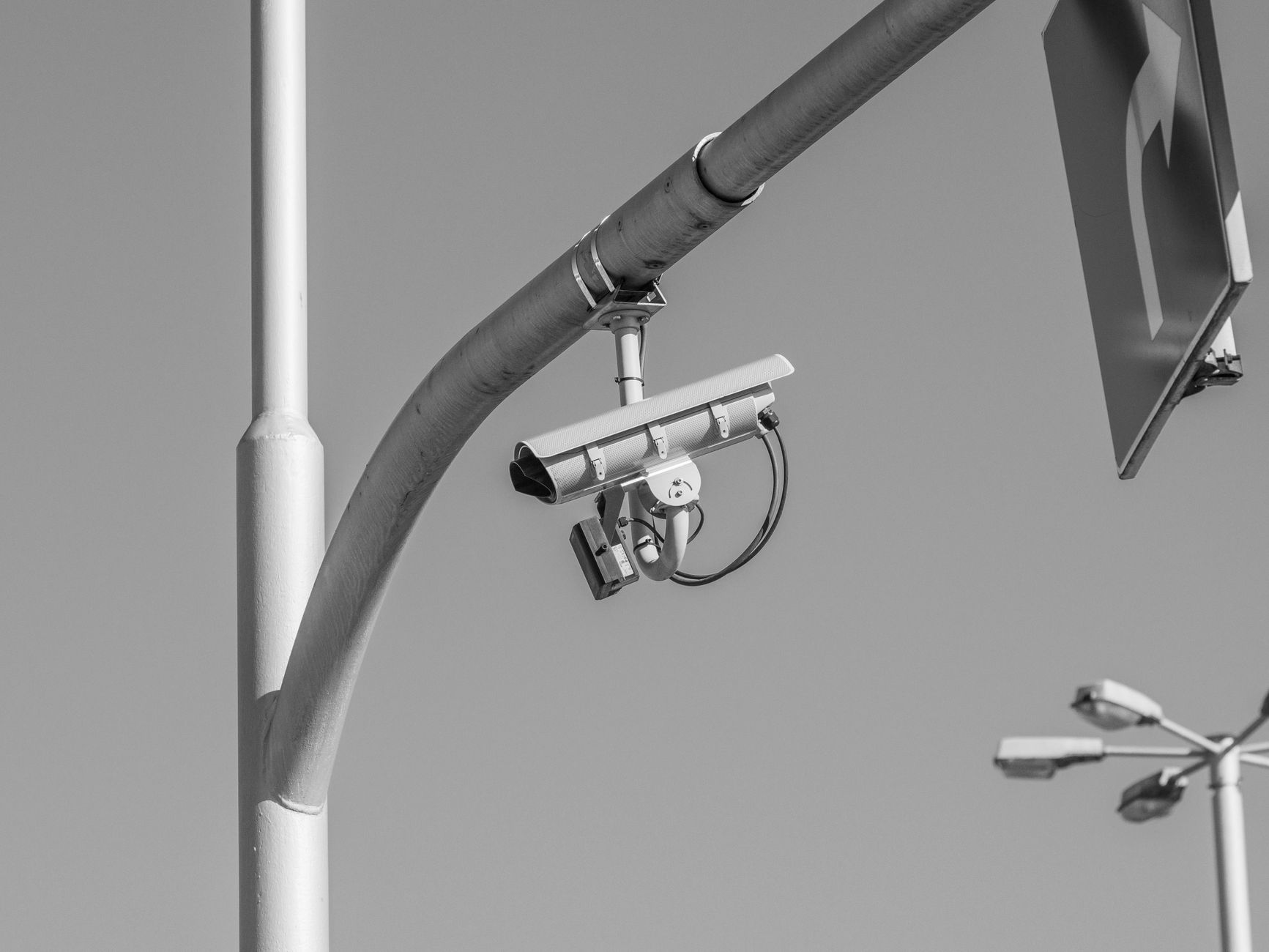
Speaking at TechCrunch Disrupt, Flock Safety chief executive Garrett Langley rejected calls to slow down deployment of his company's camera and audio-detection systems, arguing that the public safety gains from the technology justify the risk that it could be misused. Flock's automated license plate readers and gunshot-detection microphones have been adopted widely by law enforcement agencies, making the company one of the most prominent players in the surveillance-technology market. Langley's remarks come as the firm faces an intensifying wave of criticism from civil liberties organizations, including the ACLU, over how its tools are deployed and who gets access to the data they collect.
The backlash centers on fears that networks of always-on cameras and sensors can be used far beyond their original crime-fighting purpose — for instance, to track individuals' movements, monitor immigration status, or surveil protesters, often with little public oversight of how data is shared between agencies. Flock has positioned itself as a crime-prevention partner to local police, but critics say the scale of its camera network, now spread across many American communities, creates a surveillance infrastructure that can outlast its original justification and that's difficult for residents to opt out of or even know they're part of.
Adding to the pressure, separate reporting has highlighted inconsistencies between how Langley has described the company's audio-detection capabilities in public remarks and what Flock's own website claims the technology can do, raising questions about transparency around the system's actual scope of surveillance. That discrepancy is likely to fuel further distrust among lawmakers and advocacy groups already pushing for clearer limits on how police can use automated detection tools and how long the data they generate can be retained.
Langley's comments at Disrupt suggest Flock has no plans to pull back despite the criticism, framing any pause in deployment as a setback for public safety rather than a necessary check on the technology's reach. That stance puts the company on a collision course with regulators and privacy advocates in multiple states who have begun pushing for stricter rules on surveillance tech procurement by police departments, including audits, data-retention limits, and public disclosure requirements.
The outcome of that fight carries stakes well beyond one company. Flock's growth has made it something of a bellwether for how far AI-powered monitoring tools can spread through everyday American life before facing a serious regulatory check — and how much faith the public is willing to place in private vendors' promises about the limits of their own technology.