Summary
- The FCC approved SpaceX's plan to operate AI data centers in orbit.
- Regulators authorized SpaceX to deploy up to 1 million satellites total.
- The agency said some opposition concerns fell outside its regulatory jurisdiction.
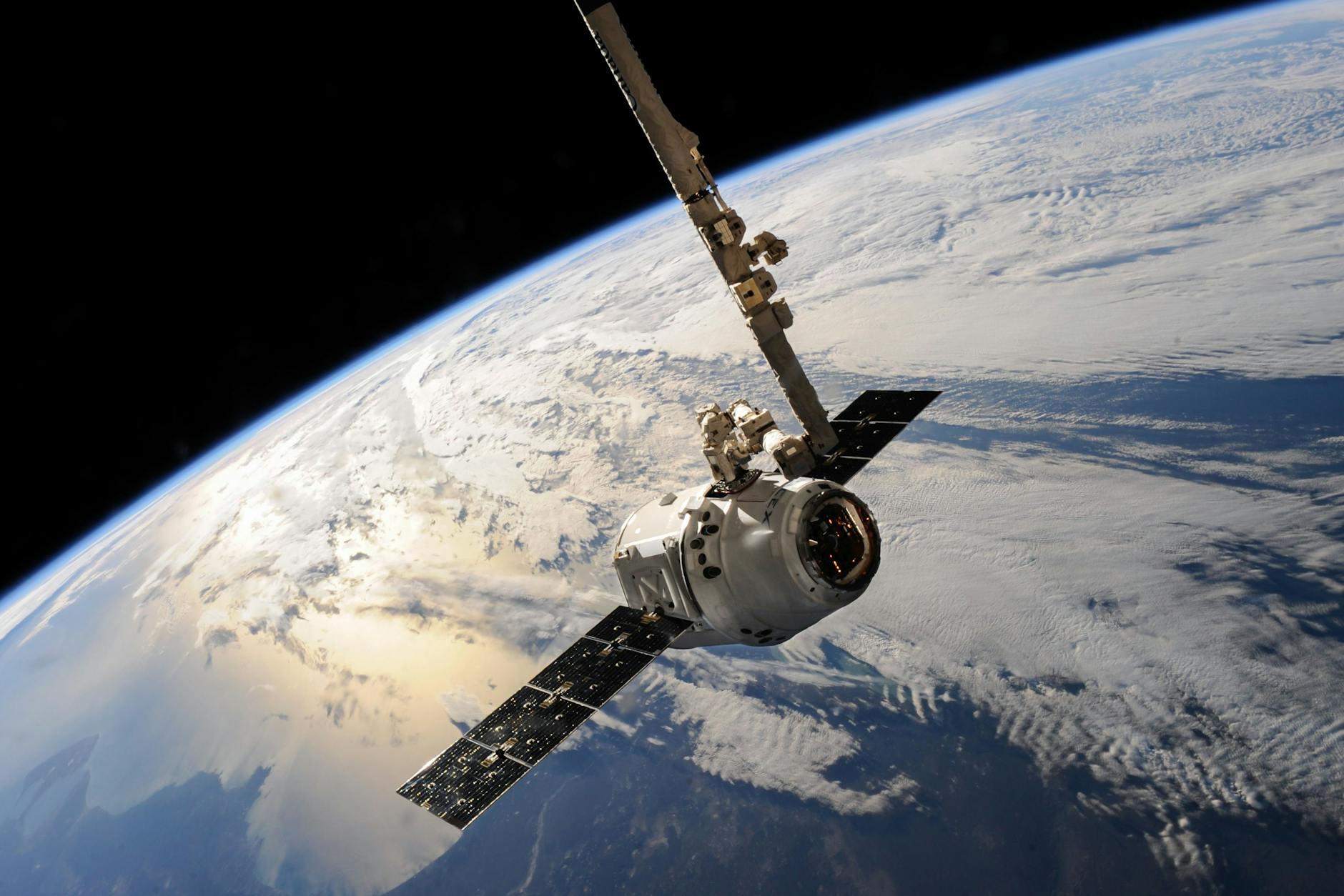
The Federal Communications Commission granted approval for SpaceX to place artificial-intelligence data centers in space, a move that signals growing interest among tech and aerospace companies in moving energy-intensive computing workloads off the planet entirely. The decision comes as the same regulatory action authorized SpaceX to deploy as many as 1 million satellites, a constellation that would expand the current population of objects in orbit roughly fiftyfold.
In its ruling, the FCC dismissed several objections raised by critics, including warnings that the expanded satellite and data center buildout could interfere with scientific research conducted from the ground and in orbit. The agency concluded those concerns fell outside the scope of its regulatory authority, effectively leaving such questions unaddressed as the project moves forward.
The push to put data centers in orbit reflects a broader industry search for ways to meet the soaring power demands of AI model training and inference. Terrestrial data centers face mounting constraints tied to electricity availability, water for cooling, and local permitting fights, pressures that have made space-based alternatives, long dismissed as impractical, newly attractive to companies racing to expand computing capacity. Solar power in orbit is more consistent and intense than on Earth, and space offers a vacuum that can theoretically simplify heat dissipation, though engineers still face significant challenges in radiating waste heat and protecting hardware from radiation.
The scale of the accompanying satellite authorization is itself a major development independent of the AI angle. A constellation approaching 1 million satellites would dramatically reshape low Earth orbit, raising fresh questions about collision risk, orbital debris, and the night sky's visibility for astronomers, issues that have already generated friction between SpaceX and the scientific community over its existing Starlink fleet.
Because the FCC determined that threats to scientific research sit beyond its regulatory reach, oversight of those risks may fall to other agencies or go unaddressed in the near term. That gap is likely to draw continued criticism from astronomers and space-safety advocates who have pressed regulators to weigh orbital crowding and interference with telescopes more heavily in licensing decisions.
The approval cements SpaceX's position at the center of two converging technology trends: the race to expand AI infrastructure and the rapid commercialization of low Earth orbit. With regulatory clearance now secured, attention will shift to execution, including how quickly SpaceX can design, launch, and operate data-center hardware capable of surviving the space environment, and whether other companies follow with similar orbital computing proposals of their own.