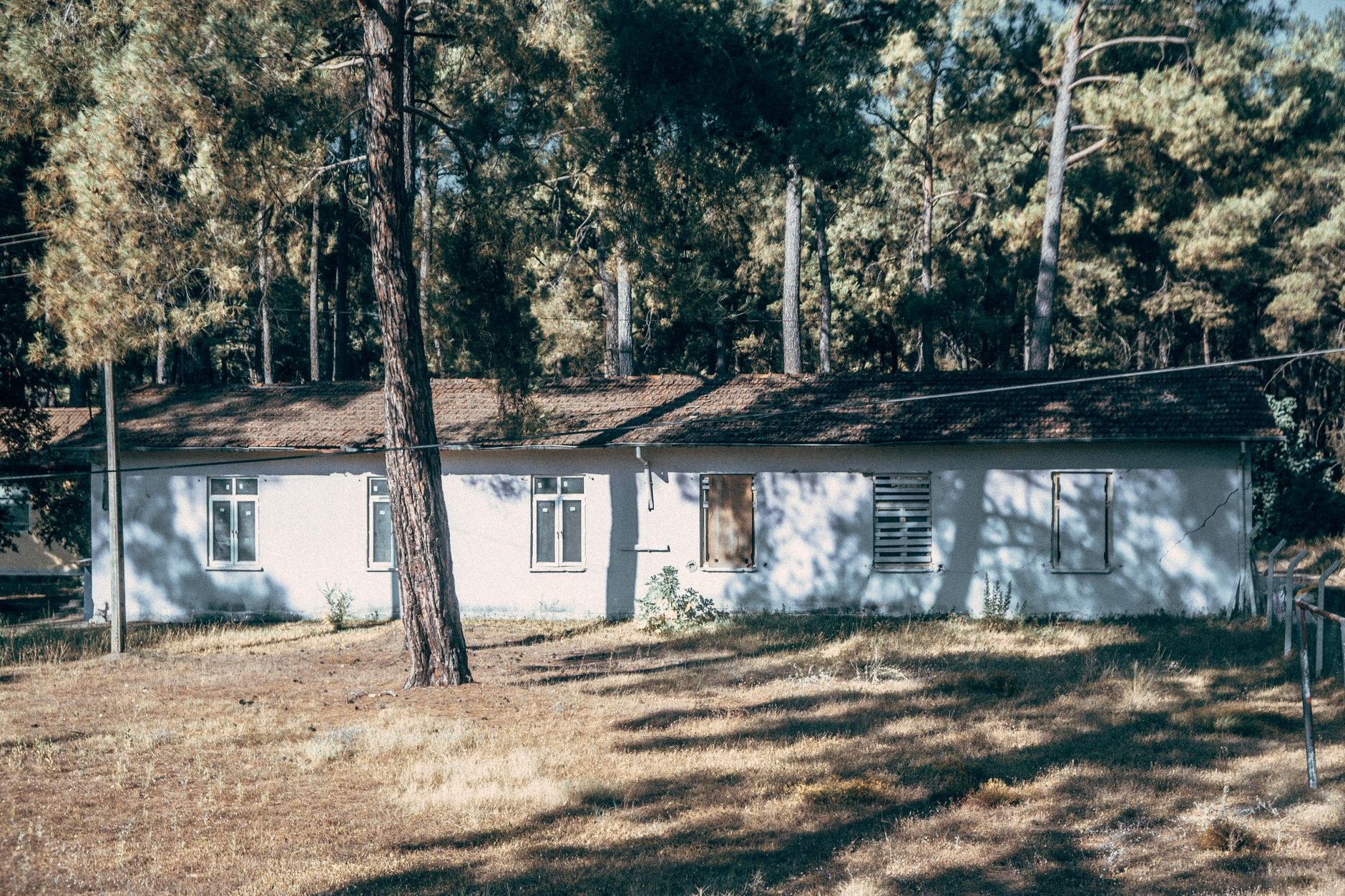
Nir Oz, a small kibbutz near Israel's border with Gaza, was among the communities hit hardest when Hamas-led gunmen stormed southern Israel three years ago. Forty-seven residents were killed in the assault, and 76 others were seized and taken into Gaza as hostages, making it one of the single worst-hit locations of that day. The scale of loss left the kibbutz's future in doubt, with much of its population killed, captured, or displaced in the attack's aftermath.
In the years since, some former residents have begun returning to live on the kibbutz, even as the physical and emotional scars of the attack remain visible. Their decision to come back reflects a broader struggle playing out across the affected border communities, where residents must balance grief and lingering fear against a desire to restore some semblance of normal life.
The anniversary arrives as the wider war triggered by the attacks continues to shape the region, with the status of remaining hostages and the broader conflict in Gaza still unresolved more than three years on. For communities like Nir Oz, rebuilding is not simply a matter of reconstructing homes but of deciding whether a place marked by such profound trauma can again function as a living, functioning community.
The return of residents also raises practical and security questions that communities near the Gaza border have had to grapple with since the attacks, including how to protect against future threats while restoring agricultural and communal life that once defined kibbutz living. Local and national authorities have faced pressure to address both the physical rebuilding of border communities and the long-term psychological toll on survivors and victims' families.
As the third anniversary passes, Nir Oz stands as a symbol of both the scale of loss suffered on 7 October and the resilience of those determined to reclaim their community. The coming months are likely to test whether the kibbutz can rebuild its population and identity, even as the hostages taken that day — and the broader regional conflict their captivity set in motion — remain an open and unresolved wound for Israeli society.