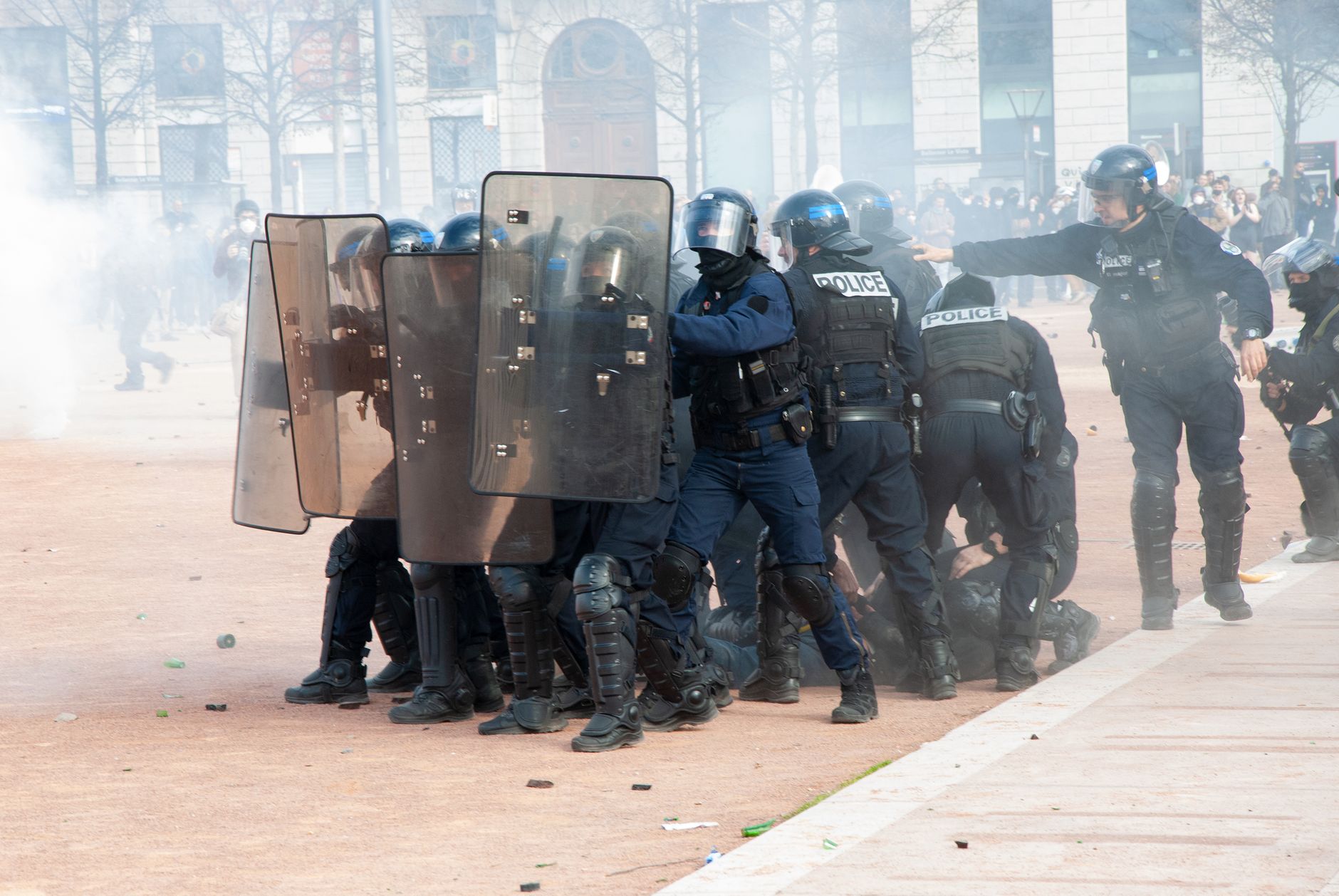
The decision marks a significant reversal in French policing policy, coming after mounting criticism over the force used against young protesters taking part in recent student-led demonstrations. Multiple advocacy and civil rights groups had raised concerns in the lead-up to the suspension, arguing that officers had deployed the explosive devices in ways disproportionate to the threat posed by the crowds, many of whom were minors.
The injury to the boy, whose hand was severed during one of the protests, became a flashpoint in the broader debate over how French law enforcement manages demonstrations, particularly those involving school-age participants. Stun grenades, which are designed to disorient crowds through a loud blast and bright flash, have drawn scrutiny in France before, but the severity of this latest injury appears to have accelerated the government's response.
The suspension raises immediate questions about how French police will manage future demonstrations without one of their standard dispersal tools, and whether the move will be permanent or merely a pause pending review. France has a long history of large-scale student and labor protests, and law enforcement's handling of crowd control has repeatedly come under international scrutiny, including during the "yellow vest" movement and various pension-reform demonstrations in recent years.
Rights organizations are likely to push for a broader inquiry into police tactics beyond just the grenades, including accountability for the officers involved in the incident that injured the boy. The case may also reignite calls in France for independent oversight of policing during public demonstrations, a demand that has surfaced repeatedly but gained limited traction with authorities.
The government has not indicated how long the suspension will last or what alternative equipment, if any, will be used in the interim. For now, the halt stands as an acknowledgment that the force used against young demonstrators crossed a line serious enough to warrant immediate policy change, even as questions remain about accountability for the injury itself and the long-term implications for how France polices dissent.