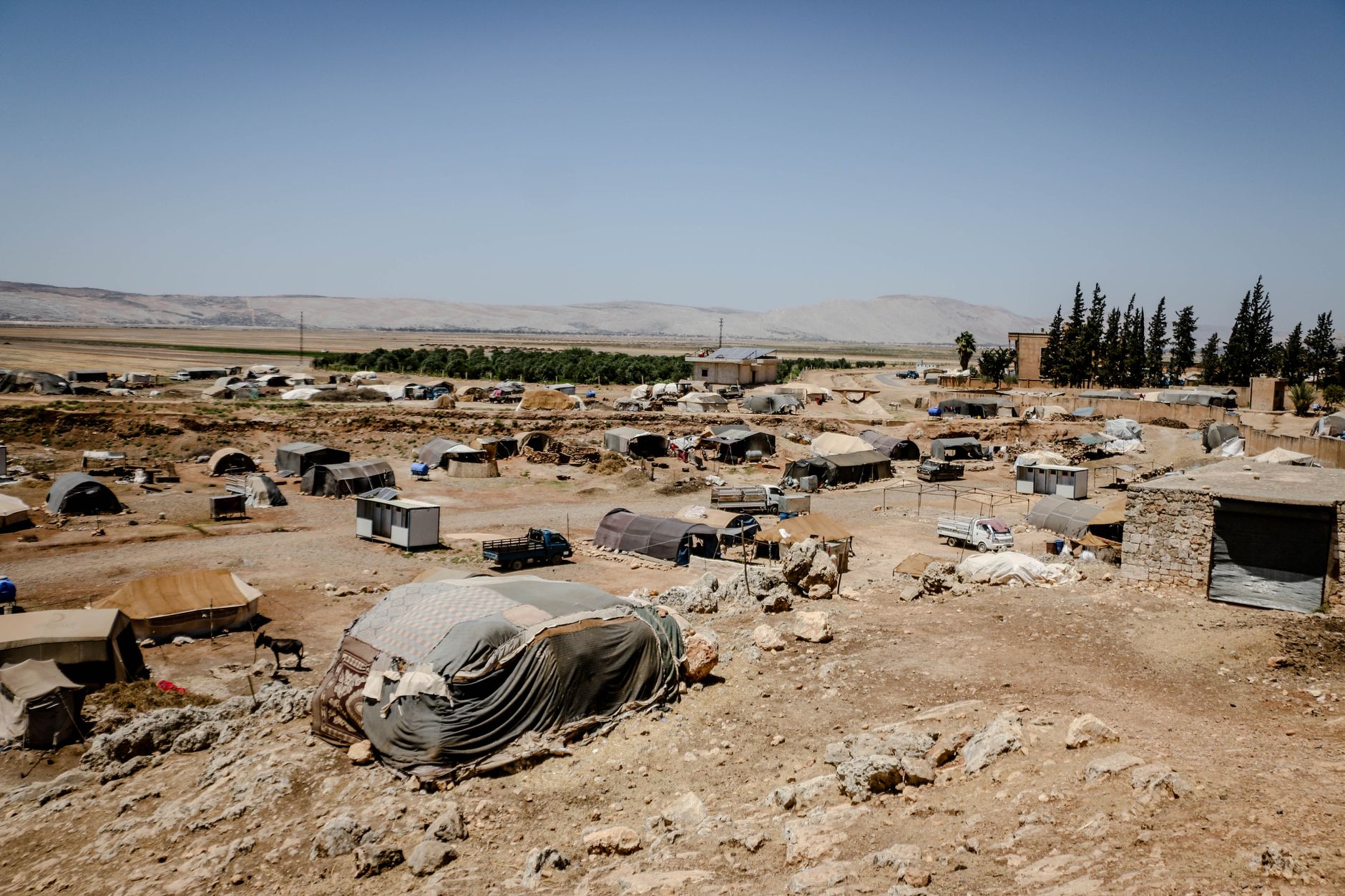
Residents describe a territory where a declared truce has done little to stop violence, with reports of ongoing military action even as displaced families remain crowded into makeshift tent settlements across the strip. The gap between the ceasefire's stated terms and conditions on the ground has left many Gazans skeptical that the broader American-brokered plan to end hostilities is actually functioning as intended.
The peace framework, pushed by Washington in hopes of drawing the conflict to a close, appears to have stalled at a critical stage. Rather than a transition toward reconstruction or the return of displaced populations to permanent housing, families continue to shelter in cramped, temporary encampments with limited resources, facing an uncertain timeline for any real improvement in their circumstances.
The disconnect carries significant weight for US diplomatic credibility in the region. Washington has invested heavily in brokering an end to the war, and a ceasefire that fails to stop strikes on the ground undermines confidence in the durability of any negotiated settlement. Mediators now face pressure to clarify enforcement mechanisms or risk the agreement collapsing entirely before reconstruction efforts can begin.
For Gazans living through the aftermath, the stakes are immediate and personal. Humanitarian conditions in the tent camps remain precarious, with residents describing an environment where the threat of violence has not meaningfully receded despite the formal end to large-scale combat operations. The disparity between the diplomatic announcement of peace and the lived reality of continued danger underscores how fragile the current arrangement remains.
What happens next will likely hinge on whether international mediators can secure firmer commitments from the parties involved, and whether humanitarian access can be expanded to address the conditions in displacement camps. Without visible progress, pressure is likely to grow on Washington and regional partners to revisit the terms of the agreement or introduce new mechanisms to enforce compliance. For now, Gaza's civilian population remains caught between a ceasefire on paper and a war that, for many, does not feel over.