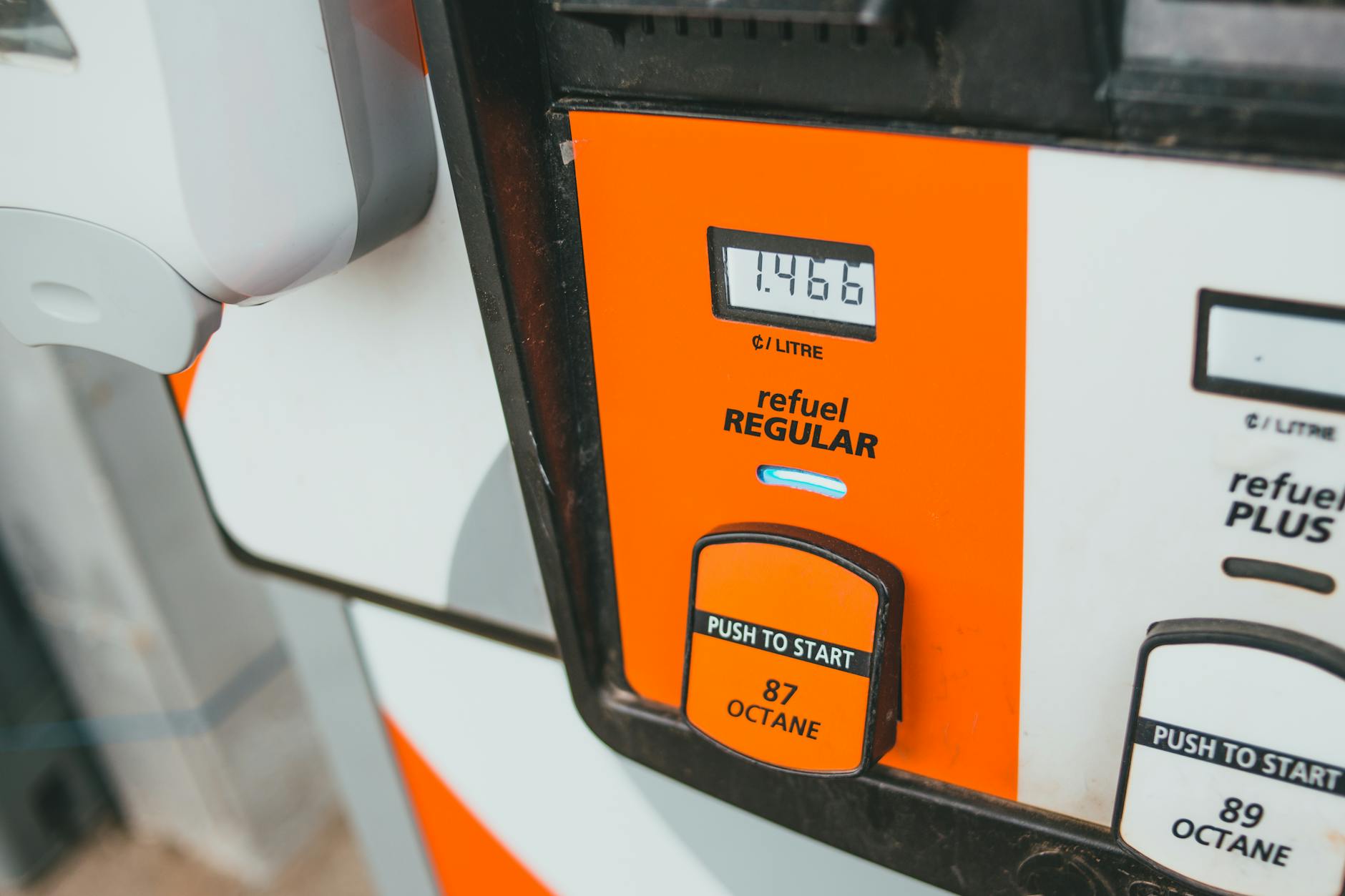
President Donald Trump's unexpected move toward an agreement with Russia has stirred fresh debate in Washington over its true purpose, with analysts pointing to rising fuel prices as a central motivating factor. According to BBC analysis, the arrangement is widely seen as an attempt to soften mounting economic pressure on consumers before next month's midterm elections, when control of Congress will be at stake.
Energy costs have become a politically sensitive issue for the administration, with Republican lawmakers wary of voter frustration translating into losses at the ballot box. Fuel prices in particular have emerged as a flashpoint, often serving as a visible, everyday reminder for Americans of broader economic conditions. A deal touching Russian energy exports or markets could, in theory, help ease some of that pressure, even if the practical mechanics and scope of the agreement remain unclear from available details.
The timing is notable. Midterm elections typically serve as a referendum on a sitting president's economic stewardship, and the White House has shown increasing urgency to demonstrate responsiveness on pocketbook issues. A move involving Russia—a country at the center of years of sanctions disputes and geopolitical tension—adds a layer of complexity, since any energy-related arrangement would likely draw scrutiny from lawmakers, allies, and markets alike.
The development also lands against a backdrop of broader friction between the Trump administration and international institutions, including recent public criticism of Norway's Nobel Committee over its Peace Prize selection. While unrelated in substance, both episodes reflect a presidency willing to take unconventional, high-profile positions on the world stage as it looks toward the November contest.
What remains to be seen is how Congress, international partners, and the sanctions regime currently governing US-Russia relations might respond to any formal deal. Lawmakers from both parties have historically approached Russia-related agreements with caution, and any arrangement perceived as benefiting Moscow economically could face pushback regardless of its domestic political utility.
For now, the administration appears to be betting that tangible relief at the pump could outweigh potential criticism over engaging with Russia on economic terms. Whether that bet pays off may become clearer as fuel prices either ease or remain stubborn in the weeks leading up to the midterms, a period during which both parties are expected to sharpen their messaging on the economy as a defining campaign issue.