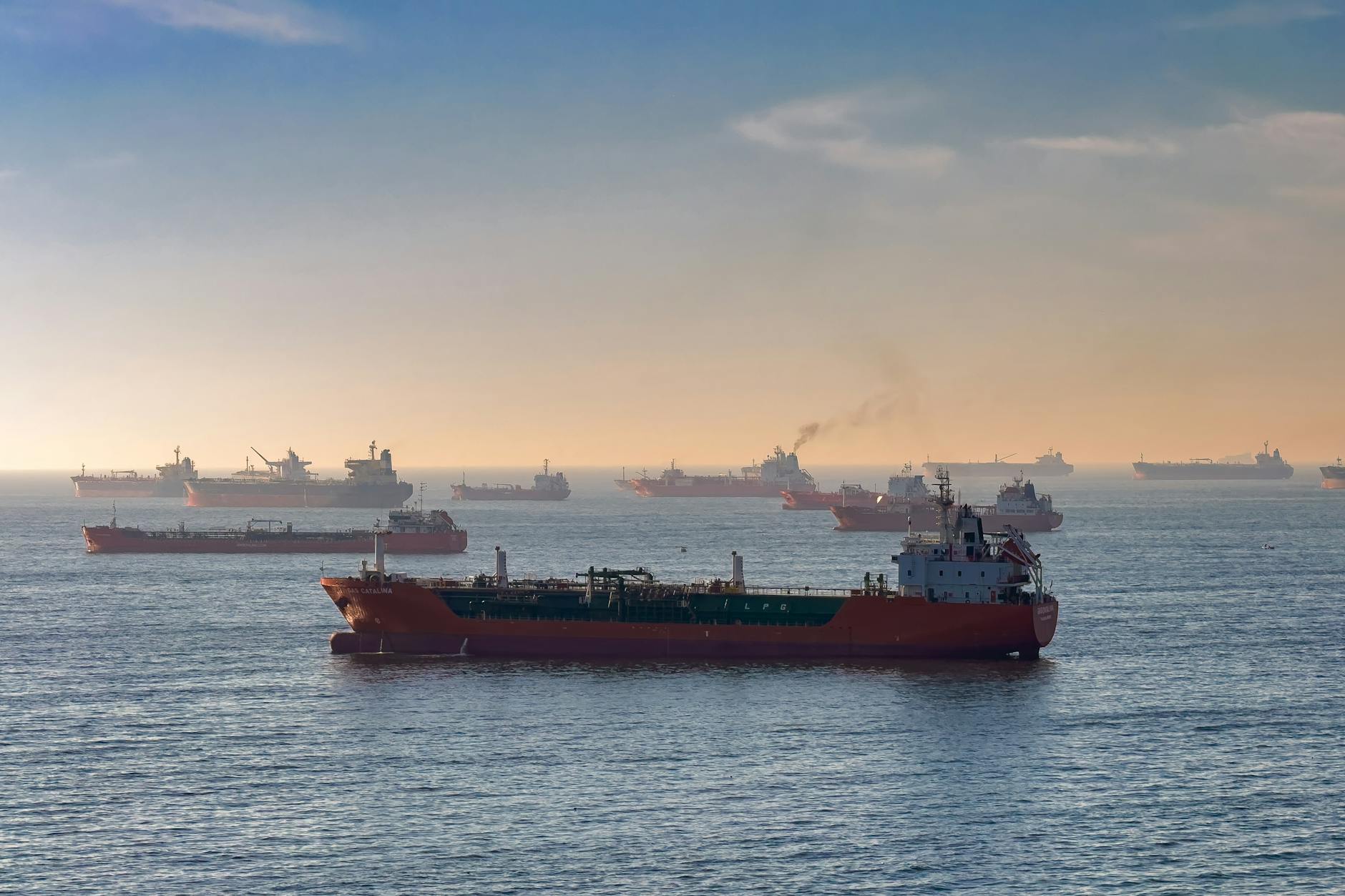
New data reviewed by BBC Verify shows that twelve ships were attacked in the waters surrounding the Strait of Hormuz over the course of a single week, the highest number recorded in any comparable period to date. The figures were compiled from a United Kingdom maritime security agency that tracks threats to shipping in the region, a chokepoint through which a significant share of the world's seaborne oil and gas passes daily.
The spike in incidents coincides with a slowdown in oil exports moving through the strait, suggesting that shipping companies and tanker operators may already be adjusting routes, schedules or insurance calculations in response to the heightened risk. Even brief disruptions to traffic through Hormuz have historically rippled through global energy markets, given the narrow waterway's outsized role in connecting Gulf oil producers to buyers in Asia, Europe and beyond.
The strait, which separates Iran from the Arabian Peninsula, has long been a flashpoint for regional tensions, with naval forces from multiple countries routinely patrolling its waters. A sustained rise in attacks on merchant vessels there typically prompts insurers to raise premiums for ships transiting the area, costs that are often eventually passed on to consumers through higher fuel and shipping prices.
Maritime security officials have not yet detailed the nature of each attack or identified those responsible, but the scale of the latest figures marks a sharp escalation compared with previous monitoring periods. Analysts who track shipping risk say a pattern of this intensity could prompt shipping companies to consider rerouting vessels around the region altogether, a costly and time-consuming alternative that would add significant distance to voyages between the Gulf and international markets.
Governments and international shipping bodies are expected to review the new data closely in the coming days, with attention likely to turn toward whether naval escorts or expanded patrols are needed to reassure commercial operators. The broader concern among energy analysts is that continued instability in the strait could tighten global oil supply at a moment when markets are already sensitive to geopolitical shocks, even if actual barrels lost to the disruption remain limited for now.
No comprehensive accounting of casualties, vessel damage or cargo losses from the week's incidents has yet been released, and officials have given no indication of how long the elevated threat level is expected to persist.