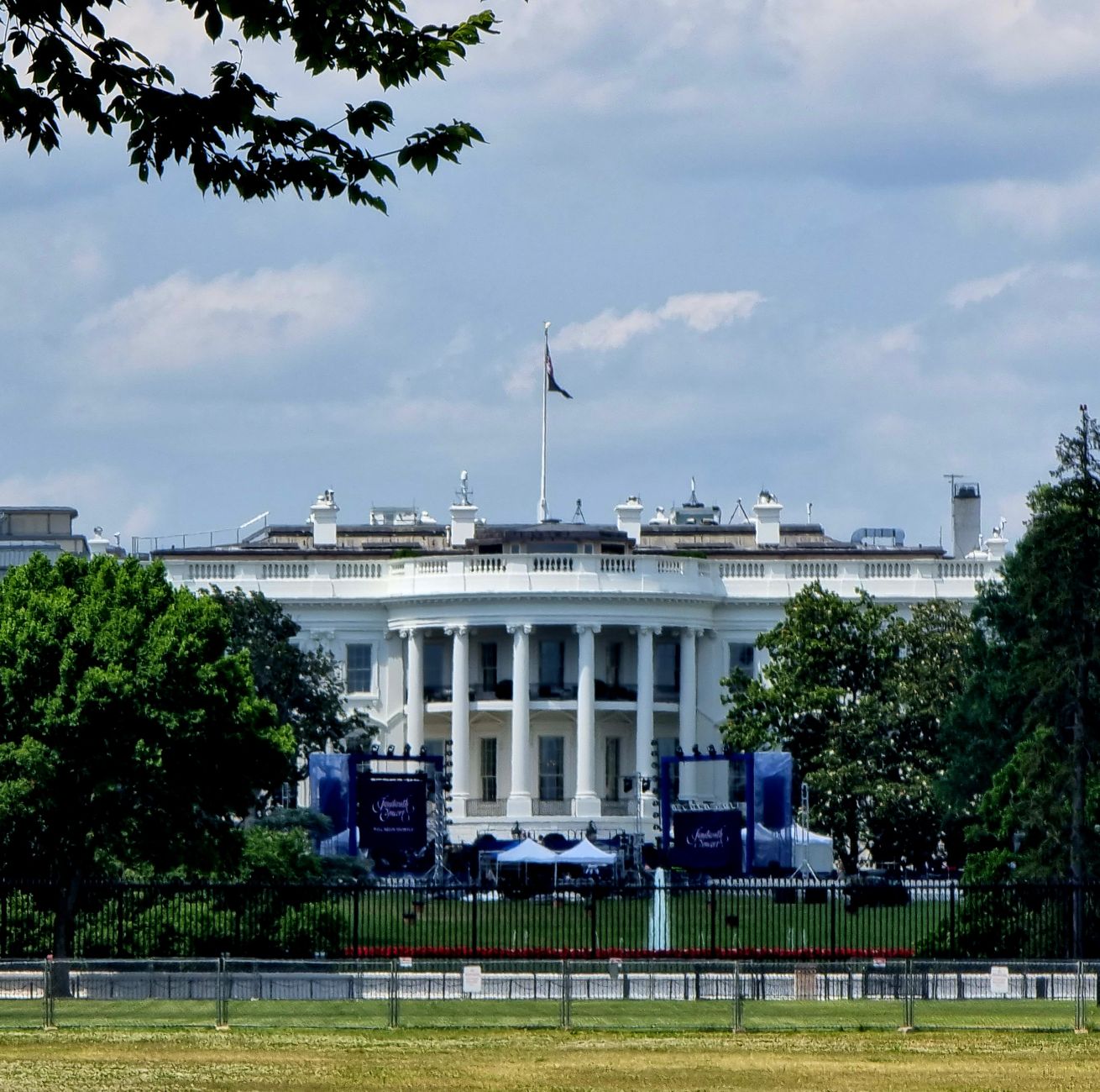
President Trump moved to set aside a number of provisions within the newly enacted sanctions law, arguing that enforcing them in full would run counter to broader American strategic interests. The law itself was crafted by lawmakers seeking to tighten economic pressure on Russia in response to its continued military campaign against Ukraine, but the administration's decision to waive portions of it signals a more cautious, selective approach to confrontation with the Kremlin.
The move underscores a persistent tension in Washington between congressional efforts to codify a hard line against Russia and executive branch discretion over how, and whether, to apply it. Sanctions legislation of this kind typically grants the president authority to waive specific measures on national-interest grounds, and Trump has used that latitude rather than implement the law as originally written by its backers.
The timing is notable. The waivers arrive as fighting continues in eastern Ukraine, where Ukrainian forces have been pressing an offensive to reclaim territory in the Donbas region, aided in part by satellite communications technology. Kyiv's government has at times voiced frustration with Washington's posture, and any sign of softened sanctions enforcement could add to unease among Ukrainian officials about the durability of US support.
The decision is also likely to draw scrutiny from members of Congress who championed the sanctions package specifically to limit presidential flexibility on Russia policy. Critics may argue that waiving core elements of the law undercuts its intended deterrent effect just as it comes into force, while supporters of the administration's approach are expected to frame the move as a pragmatic response to shifting diplomatic and economic realities.
No details were given on exactly which sanctions provisions were waived or for how long the exemptions will remain in place. The broader law continues to apply in other respects, leaving open the question of how much practical pressure it will ultimately exert on Russia's economy and war effort.
The episode adds to a string of recent moments highlighting friction between the White House and traditional allies and institutions over Russia policy, coming at a time when the war's trajectory on the battlefield remains closely watched in Washington, Kyiv, and Moscow alike. Further clarification from the administration on the scope of the waivers is expected in the days ahead.